
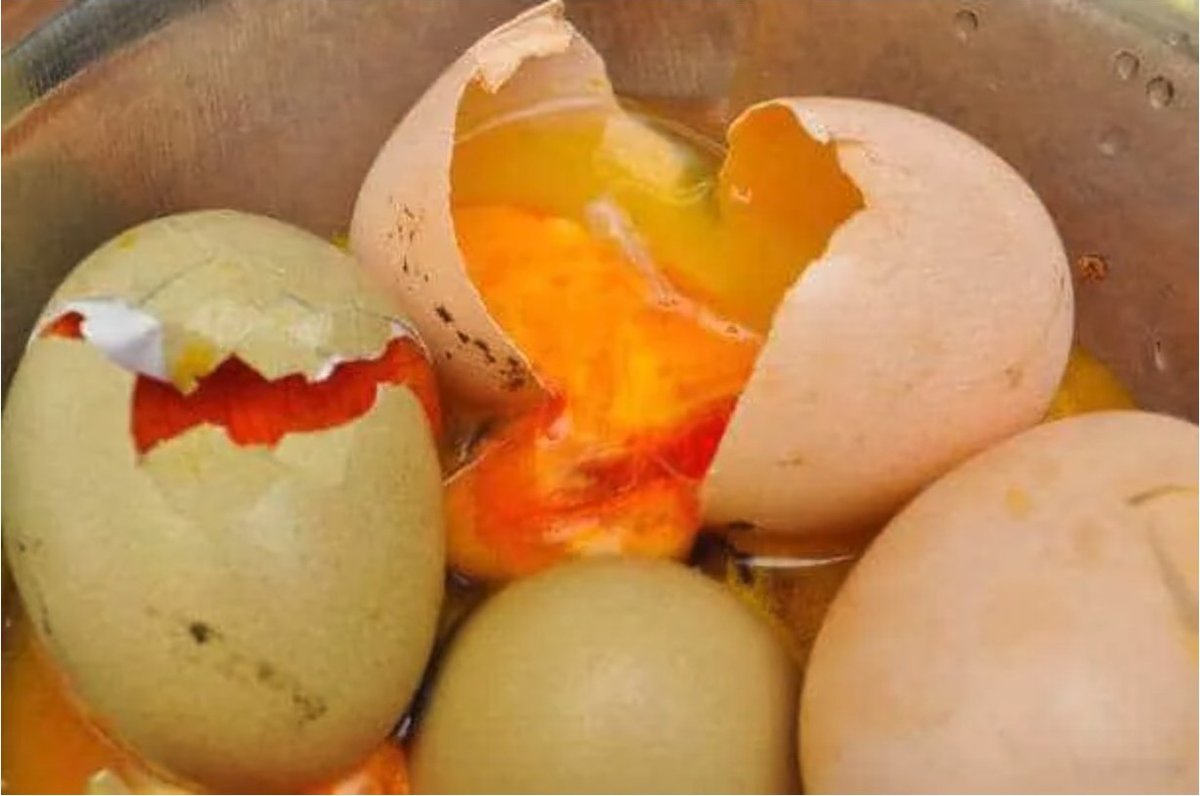
Hydrogen sulfide gas is the same compound that gives spoiled eggs their smell.
If you've noticed a rotten egg smell coming from your well water, you're not alone. It's one of the most common complaints we hear from homeowners in Washington County, Frederick County, and the West Virginia Eastern Panhandle. The good news is that it's a fixable problem — once you understand what's causing it, but take a deep breath as this can get complicated.
The culprit is almost always hydrogen sulfide gas (H₂S) — a naturally occurring compound found in groundwater throughout Central Maryland and the Eastern Panhandle of West Virginia. Hydrogen sulfide is produced when sulfur-reducing bacteria interact with sulfur compounds in the soil and rock formations your well draws water from.
The geology of this region plays a big role. Much of Washington County and Frederick County sits on limestone and shale formations that are naturally rich in sulfur compounds. As groundwater moves through these formations, it picks up hydrogen sulfide along the way. This is why the rotten egg problem is so prevalent here compared to other parts of Maryland.
Hydrogen Sulfide in the West Virginia Eastern Panhandle
The Eastern Panhandle of West Virginia — including Berkeley County, Morgan County, and Jefferson County — has some of the most severe hydrogen sulfide problems we encounter anywhere in our service area. The rotten egg smell in well water is not an occasional complaint here — it is extremely widespread and affects a large percentage of private well owners throughout the region.
The geology of the Eastern Panhandle is the primary driver. The area sits on a complex mix of limestone, shale, and sandstone formations that are naturally rich in sulfur compounds. As groundwater moves slowly through these rock formations over hundreds of years, it dissolves sulfur and picks up hydrogen sulfide along the way. By the time that water reaches a private well, the H₂S concentration can be significant — strong enough to make the water practically unusable without treatment.
Martinsburg and Berkeley County are particularly affected. We regularly install treatment systems in this area for homeowners who describe their water as smelling so bad they can barely use it. Showering with hydrogen sulfide-laden water fills the bathroom with the rotten egg odor, and the smell can linger on skin and hair even after washing.
Berkeley Springs and Morgan County present their own challenges. Morgan County is known for its natural springs — Berkeley Springs itself is named for them — but the same geological conditions that produce those springs also contribute to elevated hydrogen sulfide levels in private well water throughout the county. Many homeowners in this area have lived with the problem for years assuming nothing could be done about it. That's not the case — the right treatment system eliminates the smell completely.
Jefferson County well water can also carry significant H₂S concentrations, particularly in areas with deeper wells drawing from sulfur-rich formations. What makes the Eastern Panhandle particularly challenging is that hydrogen sulfide rarely appears alone.
Most well water in this region also contains iron, manganese, and hardness minerals — the combination we call the "Bermuda Triangle" of water problems. Treating just one of these without addressing the others leads to ongoing problems and frustrated homeowners. A comprehensive system that handles all of them simultaneously is almost always the right answer.
Why Does Only My Hot Water Smell — Not the Cold?
This is one of the most common questions we get. If the rotten egg smell is coming only from your hot water, the cause is almost always iron reacting with the water heater anode rod — especially in new water heaters. Here's what happens: most water heaters contain a magnesium anode rod — a sacrificial metal rod designed to protect the tank from corrosion. When well water contains iron, iron bacteria then grow and react with the magnesium anode rod inside the water heater and produce a smell similar to hydrogen sulfide gas. The result is a strong rotten egg smell that only appears when you run hot water.
The usual fix in this case is to replace the magnesium anode rod with an aluminum or zinc anode rod, which doesn't react as readily. The problem with this idea is that it seldom eliminates the smell and does not protect your water heater as well — and may void the manufacturer's warranty. Certainly do not remove the anode rod completely no matter how tempting it may be — your expensive water heater is then destined to fail prematurely. However — and this is important — if your cold water also has a sulfur smell, the problem is in the groundwater itself and the anode rod may only be part of the story. Obviously if the cold water stinks, then the hot water will also smell regardless of the iron content.
"Powered" anode rods have recently come onto the market and claim to fix the smell. Most of these are made out of less reactive aluminum. These are more marketing than a real fix — just something new and one more thing to quit working. We have not found these work in any meaningful way.
Other Common Causes of Rotten Egg Smell in Well Water
Hydrogen Sulfide in the Groundwater — If both your hot and cold water smell like rotten eggs, hydrogen sulfide is present in your well water supply itself. This is extremely common in Washington County, Frederick County, and the WV Panhandle and requires a whole house treatment solution.
Neglected or Iron-Fouled Water Treatment Equipment — A water treatment system that hasn't been serviced in a long time can become a source of the problem rather than the solution. Iron filters and acid neutralizers that are overdue for service can harbor bacteria buildup — and that bacteria produces a bad smell like sulfur. If your well water suddenly starts smelling after years of being fine, a neglected treatment system is often the cause. Regular maintenance is critical.
Iron Bacteria — Iron bacteria are naturally occurring microorganisms that thrive in iron-rich well water. They don't pose a direct health risk, but they cause significant water quality problems including rotten egg odors, slimy buildup in toilet tanks, and orange or brown staining. They are particularly common in the groundwater of this region. See our guide on iron in well water for how to tell which type of iron you have and what fixes it.
In addition to installing the right treatment system for your home or business, we have found a well "super chlorination" can help knock down the iron bacteria infestation plaguing deeper wells. By greatly reducing the offending iron bacteria, service intervals can be reduced or possibly eliminated.
What's the Best Solution for Rotten Egg Well Water in Maryland?
The right solution depends on your specific situation. Here are the most common fixes we install:
The Patented Mr. Water LLC Closed Pressure Water Softener and Aeration System
For homeowners dealing with hydrogen sulfide combined with iron and hard water, this is the most common scenario we see in Washington and Frederick Counties in Maryland and the Eastern WV Panhandle. Our patented Water Softener with Closed Pressure Aeration is the most comprehensive solution available.
This system addresses all three problems simultaneously:
- Hydrogen Sulfide — the closed pressure aeration process oxidizes and removes H₂S from the water, eliminating the rotten egg smell completely.
- Iron — iron is removed by cation exchange and oxidized, making it physically filterable by the softening resin before it can stain your fixtures, laundry, and appliances.
- Hard water — the water softening resin also removes calcium and magnesium (like any other water softener), giving you soft water for bathing, laundry, and protecting your plumbing.
With a pre-filter for sediment and a carbon post-filter added to the system, you also get cleaner, better tasting water throughout the entire house. This is a complete water treatment solution in one easy-to-maintain system — and it's the only system of its kind with US Patents behind it.
Stand-Alone Air Injection Systems
If you already have a working water softener or other filtration system that's doing its job on hardness and iron, but sulfur has appeared out of nowhere — which does happen — a stand-alone air injection system can be added at a reasonable cost.
This targeted solution handles the hydrogen sulfide without replacing equipment that's already working. Air injection works by introducing air into the water stream, which oxidizes the hydrogen sulfide and causes it to precipitate out of the water before it ever reaches your fixtures. No chemicals, no mess, no rotten egg smell.
Serving Washington County, Frederick County and the WV Panhandle Since 2005
Mr. Water Professional Water Treatment of Maryland has been solving rotten egg well water problems in Central Maryland and the Eastern Panhandle of West Virginia for nearly 22 years. Owner Scott R. Handy holds two United States Patents in water treatment technology and has over 38 years of experience diagnosing and fixing exactly these kinds of problems. We don't sell one-size-fits-all solutions. We test your water, evaluate your existing equipment, and custom build the right fix for your specific situation — whether that's a Water Softener with Closed Pressure Aeration or a simple stand-alone air injection system.